





why use a pillow protector
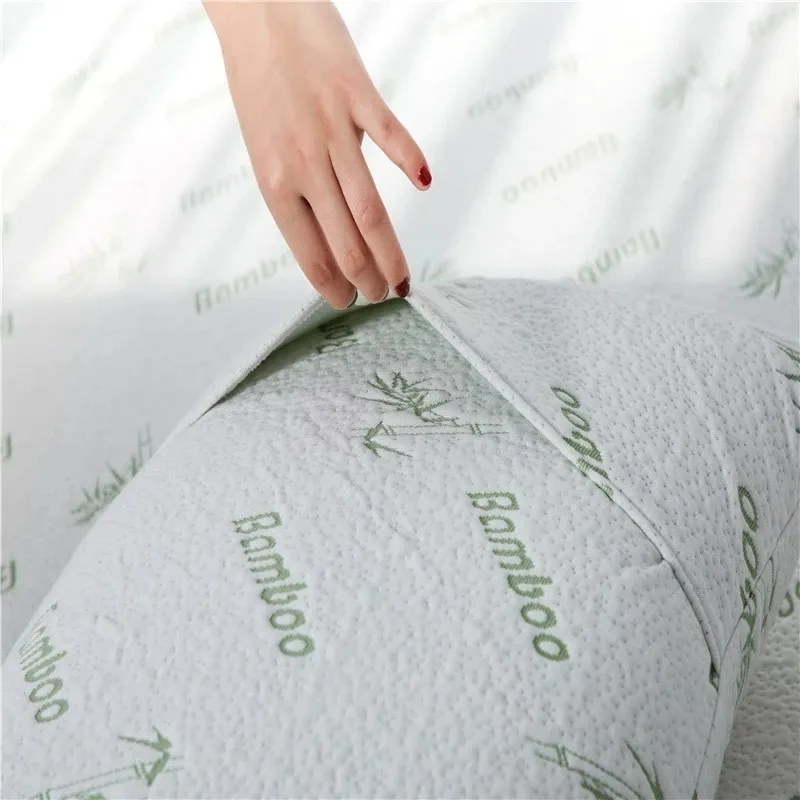
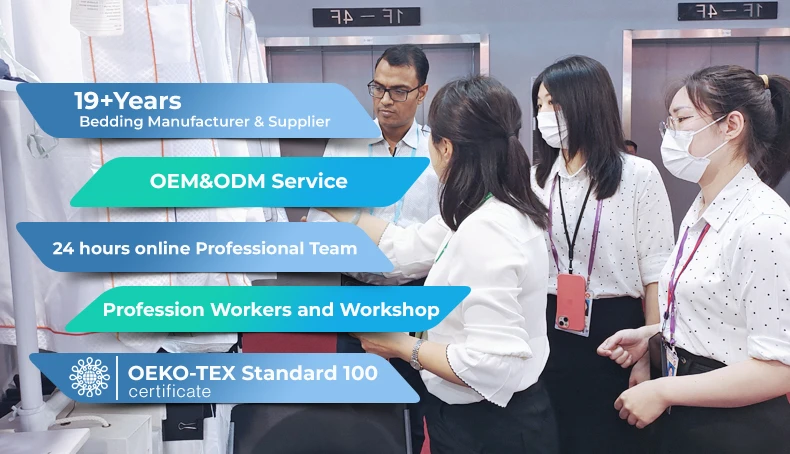
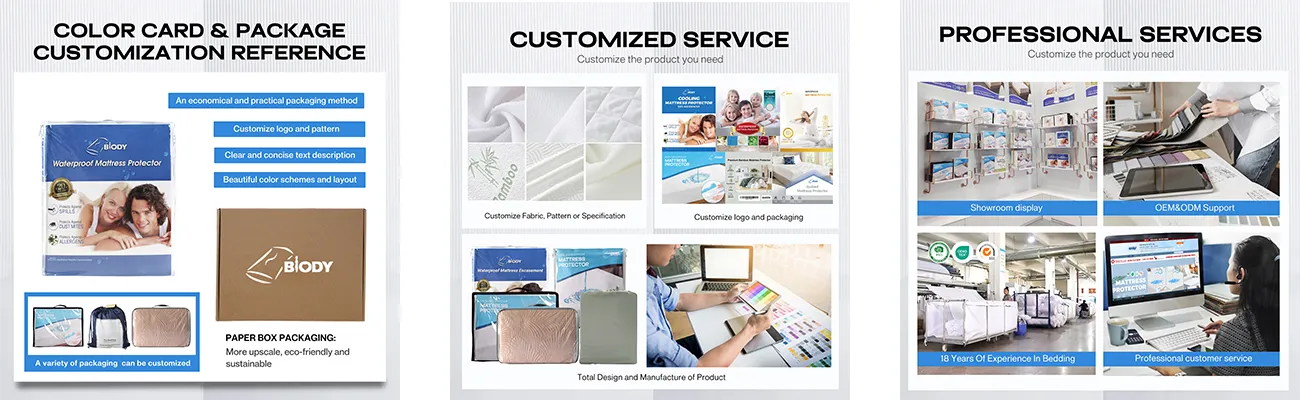
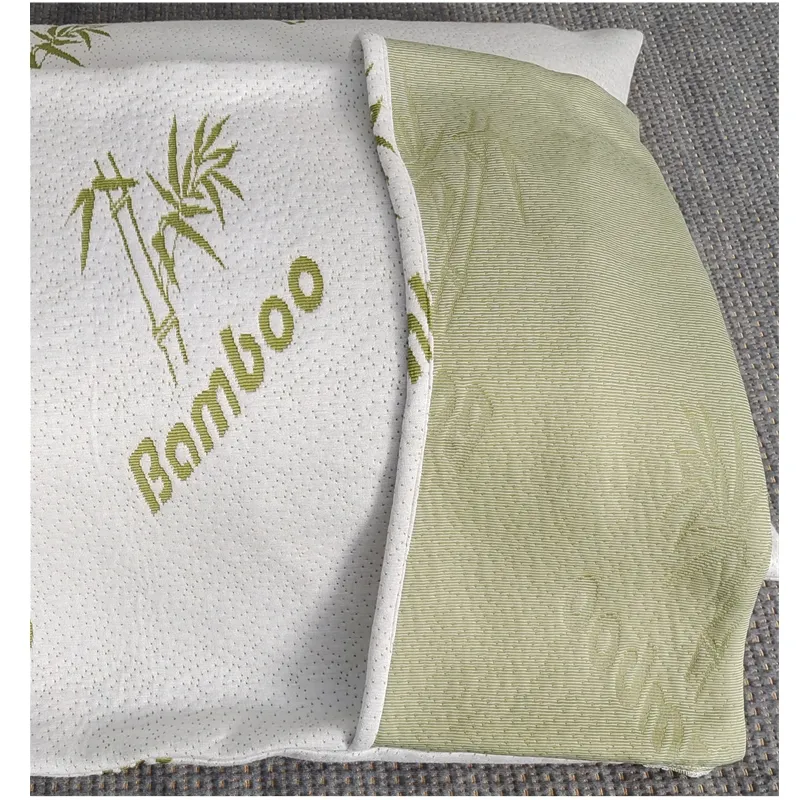
The Strategic Imperative of Advanced Pillow Protection in Modern Living and Hospitality In today's highly health-conscious and sustainability-driven market, the functionality of bedding components, particularly pillow protection, has transcended basic utility to become a critical factor in public health, guest satisfaction, and operational efficiency across diverse B2B sectors. The evolution from rudimentary pillow covers to technologically advanced solutions such as the bamboo pillow protector signifies a profound shift in how industries approach sleep hygiene and asset preservation. For businesses operating in the hospitality, healthcare, or institutional sectors, the choice of pillow protection is no longer a peripheral procurement decision but a strategic investment that directly impacts brand reputation, regulatory compliance, and long-term financial viability. The pervasive challenge of airborne allergens, including dust mites, pet dander, and mold spores, necessitates a robust and impermeable barrier, a role perfectly fulfilled by high-quality `dust mite proof pillow covers`. Beyond allergen control, effective moisture management is crucial, preventing the proliferation of bacteria and fungi while ensuring a consistently comfortable sleep environment. Our focus in this detailed exposition is to dissect the multifaceted benefits and technical superiority of the 100% Bamboo Pillow Protector Jacquard Pillowcase, a product designed to meet the rigorous demands of commercial applications. We will explore its inherent material advantages, sophisticated manufacturing processes, and validated performance metrics, providing B2B decision-makers with the comprehensive insights needed to make informed purchasing choices that yield optimal outcomes for their establishments and end-users. The global market for bedding accessories is experiencing robust growth, fueled by heightened consumer awareness regarding sleep quality, wellness, and the escalating incidence of allergies and respiratory conditions. Industry analyses project a significant compound annual growth rate (CAGR) for specialized bedding products, indicating a clear trajectory towards premium, performance-driven solutions. Within this burgeoning segment, the demand for hypoallergenic and antimicrobial pillow protectors is particularly pronounced. Hotels and resorts are increasingly recognizing that the provision of an impeccably clean and allergen-free sleeping environment is a key differentiator in a competitive market, directly influencing guest satisfaction scores and online reviews. Similarly, healthcare facilities are under immense pressure to maintain stringent hygiene standards, with `anti mite pillow covers` becoming an essential component of infection control protocols. The intrinsic properties of bamboo, namely its natural breathability, superior moisture-wicking capabilities, and inherent resistance to microbial growth, position the bamboo pillow protector as a superior alternative to traditional materials like cotton or synthetic blends. Furthermore, the rising global emphasis on sustainability and eco-friendly practices in procurement aligns perfectly with bamboo's profile as a rapidly renewable and biodegradable resource. This confluence of health, environmental, and economic factors underscores the strategic importance of investing in advanced pillow protection. Such an investment not only safeguards the health and comfort of occupants but also significantly extends the lifespan of expensive pillows, thereby reducing replacement frequencies and associated operational expenditures, embodying a commitment to both sustainability and financial prudence. Unpacking the 100% Bamboo Pillow Protector Jacquard Pillowcase: A Technical Deep Dive The Bedencasement 100% Bamboo Pillow Protector Jacquard Pillowcase is engineered to deliver peak performance in demanding commercial environments, leveraging the unique intrinsic properties of bamboo viscose. Bamboo fibers, specifically regenerated cellulose fibers derived from bamboo pulp, are renowned for their exceptional softness, often described as having a luxurious, silken hand feel, which significantly elevates the end-user's comfort experience. This tactile superiority is complemented by bamboo's naturally hypoallergenic profile, making it an ideal choice for sensitive skin and individuals prone to allergic reactions. Unlike chemically treated fabrics, bamboo's inherent resistance to common irritants ensures a gentler, safer contact surface. A critical technical attribute is bamboo's remarkable moisture management capability; its cross-section is filled with micro-gaps, allowing for superior absorption and wicking of perspiration away from the skin, ensuring a dry and comfortable sleep surface. This breathability, often quantified by air permeability metrics, is crucial in preventing the accumulation of moisture, which is a primary catalyst for microbial growth. The Jacquard weaving technique, a complex and highly specialized method, is integral to the protector's structural integrity and performance. This intricate weave creates durable, often patterned, fabric by independently controlling individual warp threads, resulting in a denser, more resilient material than plain weaves. This enhanced density is pivotal for forming an effective barrier against microscopic allergens like dust mites and their waste products, which are typically between 10-40 microns in size. The precise engineering of the fabric's pore size through Jacquard weaving ensures that while air can circulate freely, these particulate allergens are effectively blocked, a non-negotiable feature for true `dust mite proof pillow covers`. This combination of advanced material science and sophisticated textile engineering results in a product that not only offers unparalleled comfort but also delivers robust, long-lasting protection, validated by adherence to stringent industry standards such as OEKO-TEX Standard 100, which certifies absence of harmful substances, and ISO 9001 for quality management. Further technical exploration reveals that the construction quality of a premium bamboo pillow protector is dictated by several quantifiable metrics. The GSM (Grams per Square Meter) of the fabric is a primary indicator of its density and substance; for optimal performance, a GSM ranging from 180 to 220 is desirable, balancing exceptional softness with robust durability and barrier efficacy. A higher GSM not only enhances the luxurious feel but also contributes to the fabric's resistance to wear and tear, crucial for extended use in commercial laundry environments. While thread count is a common measure for cotton, for bamboo viscose, the weave structure itself, particularly the Jacquard method, is more indicative of its quality and protective capabilities. The inherent antimicrobial properties of bamboo are attributed to "bamboo kun," a natural bio-agent unique to bamboo, which actively inhibits the growth of bacteria, fungi, and other microorganisms. This intrinsic resistance to microbial proliferation is especially valuable for `pillow case covers for allergies`, as it ensures a fresher, more hygienic sleep surface without the reliance on chemical additives, a significant advantage for sensitive populations. Moreover, bamboo's natural thermoregulatory properties enable the fabric to adapt to ambient temperatures, providing a cooling effect in warm conditions by dissipating heat and moisture, and retaining warmth in cooler environments, thus contributing to optimal sleep climate control. This adaptive quality makes the bamboo pillow protector suitable for diverse climates and user preferences, distinguishing it from less breathable, traditional `quilted cotton pillow protectors`. The seamless integration of robust zipper closures, often self-locking and featuring a tiny tooth configuration, forms an impenetrable seal, further enhancing the product's efficacy as an allergen and bed bug barrier, ensuring maximum protection and peace of mind for both operators and end-users. The Advanced Manufacturing Journey of a Bamboo Pillow Protector The production of a high-quality bamboo pillow protector involves a meticulously controlled, multi-stage manufacturing process that combines sustainable raw material sourcing with advanced textile engineering. The journey begins with the cultivation of bamboo, typically Moso bamboo, chosen for its rapid growth and minimal environmental impact, requiring no irrigation or replanting after harvest. This raw bamboo is then processed into bamboo pulp using eco-friendly methods, largely focusing on mechanical and biological processes to separate the cellulose fibers. Subsequently, these cellulose fibers are regenerated into bamboo viscose filaments through a precise spinning process, ensuring uniform thickness, strength, and softness crucial for the final fabric. Yarn production involves twisting these filaments into high-performance yarns that are both durable and silky-smooth, specifically calibrated for Jacquard weaving. This weaving stage is where true craftsmanship and technological prowess converge; Jacquard looms, unlike conventional looms, offer individual control over each warp thread, allowing for the creation of highly intricate patterns directly within the fabric. This complexity results in a dense, tightly woven material with a superior hand feel and enhanced structural integrity, critically contributing to its effectiveness as a physical barrier against allergens. This intricate weave also ensures consistent pore size, a non-negotiable attribute for `dust mite proof pillow covers`. Post-weaving, the raw fabric undergoes a series of specialized finishing treatments. These may include pre-shrinking (sanforizing) to ensure dimensional stability after repeated washing, mercerizing for increased strength and luster, and potentially natural dyeing processes using non-toxic, eco-friendly dyes to achieve desired aesthetics without compromising the bamboo's inherent hypoallergenic properties. Throughout these initial phases, stringent quality control checks are implemented, adhering to international standards such as ISO 9001 for quality management systems, which ensure traceability, consistency in material properties, and environmental responsibility, with a strong emphasis on water recycling and waste minimization. The culminating stages of manufacturing for a premium bamboo pillow protector involve precision cutting, meticulous sewing, and rigorous final quality assurance. Leveraging computer-aided design (CAD) and automated cutting systems, the woven bamboo fabric is cut with extreme precision into various standard and custom pillow dimensions, ensuring minimal material waste and optimal fit. The sewing process is performed using industrial-grade machines equipped with specialized needles and threads that create incredibly strong, durable seams capable of withstanding the rigors of commercial laundering. Crucially, the insertion of the zipper is a delicate operation, as it must form an uninterrupted, impenetrable seal against microscopic particles. Manufacturers of high-grade `anti mite pillow covers` often employ self-locking, rust-proof zippers with a very fine-tooth construction, ensuring no gaps larger than 3-5 microns, thereby preventing dust mite and bed bug ingress. Each finished pillow protector then undergoes a multi-point inspection process, which scrutinizes seam integrity, zipper functionality, fabric consistency, and overall appearance for any imperfections. Performance testing on batch samples is also conducted, including tests for air permeability (ensuring breathability despite barrier properties), water repellency, abrasion resistance (using methods like the Martindale abrasion test), and dimensional stability after multiple wash cycles. For `pillow case covers for allergies`, barrier efficacy tests using controlled environments and specified particle sizes (e.g., 1-5 microns) are paramount to confirm the product's ability to block allergens. Compliance with third-party certifications such as OEKO-TEX Standard 100 Class I (safe for babies) is often sought to guarantee the absence of harmful substances, a critical consideration for health-sensitive applications. The result of this comprehensive process is a bamboo pillow protector designed for an extended service life of 3-5 years or more in commercial settings, significantly exceeding the longevity of standard pillowcases and offering substantial return on investment through reduced replacement costs and enhanced hygiene. Technical Parameters & Performance Metrics of Advanced Pillow Protectors For B2B procurement professionals, a nuanced understanding of the technical parameters and certified performance metrics is essential when evaluating a bamboo pillow protector . These objective measures go beyond subjective comfort to quantify the product's efficacy, durability, and suitability for rigorous commercial applications. Fabric composition, primarily 100% bamboo viscose, is crucial due to bamboo's unique cellular structure. Unlike cotton, bamboo fibers feature microscopic gaps and holes, making them inherently more breathable and superior in moisture wicking. The GSM (Grams per Square Meter) is a critical quality indicator, with an optimal range for premium `dust mite proof pillow covers` being 190-220 GSM. This higher density not only contributes to a more luxurious feel and enhanced durability but, most importantly, correlates directly with the fabric's ability to create a tighter, more effective physical barrier against microscopic allergens. For optimal performance in demanding environments, a GSM below 160 may compromise longevity and protective capabilities. While thread count is often cited, for bamboo fabrics, the intricacy of the weave (e.g., Jacquard) and the resulting pore size are more relevant. The true measure of an allergen barrier lies in its pore size, typically tested to block particles as small as 1 to 5 microns, effectively preventing the passage of dust mites and their allergenic fecal matter (which are usually 10 microns and larger). Air permeability, often measured in cubic feet per minute (CFM) or liters per square meter per second (L/m²/s), quantifies breathability. A high-performing bamboo pillow protector maintains sufficient airflow (e.g., 120-180 CFM) to prevent heat and moisture buildup, ensuring a comfortable sleep environment without compromising its barrier function, a common challenge for less advanced impermeable protectors that can trap heat. Further technical evaluation of a bamboo pillow protector encompasses its performance in moisture management, durability, and safety certifications. Moisture-wicking efficiency is objectively measured by absorption rates and vertical wicking speed tests, demonstrating bamboo's ability to rapidly draw moisture away from the skin and quickly dissipate it, a property that is three to four times more effective than cotton. This contributes significantly to thermal regulation and inhibits the proliferation of odor-causing bacteria and mildew. Durability is a cornerstone for B2B applications, assessed through rigorous abrasion resistance tests, tear strength analysis, and simulated commercial laundering cycles. Premium protectors should withstand over 150-200 commercial wash cycles without significant degradation in their protective properties or structural integrity, far exceeding the lifespan of standard `quilted cotton pillow protectors`. Shrinkage control, typically maintained below 3% even after extensive washing, ensures the protector retains its form and fit over its service life. Crucially, third-party certifications provide an unbiased verification of product claims. OEKO-TEX Standard 100 certification, particularly Class I, guarantees that the entire product is free from harmful substances, including heavy metals, pesticides, and allergenic dyes, making it safe even for infant contact, which is vital for healthcare and hospitality settings. ISO 9001 certification ensures a manufacturer's adherence to stringent quality management systems throughout production. For `anti mite pillow covers`, specific lab tests verifying their impermeability to dust mites (e.g., using a D. pteronyssinus mite challenge) are essential. These validated technical specifications empower B2B buyers to select products that not only promise superior performance but are also scientifically proven to deliver on those promises, ensuring optimal hygiene, comfort, and cost-effectiveness over the product's extended operational life. Bamboo Pillow Protector Key Specifications & Performance Comparison Parameter Unit/Description Typical Bamboo Protector Ideal/Premium Bamboo Protector Standard Cotton/Poly Blend Material Composition Fiber Type 100% Bamboo Viscose 100% Premium Moso Bamboo Viscose (Jacquard Weave) Cotton/Polyester Blend (e.g., 50/50), often quilted Fabric Weight (GSM) Grams per Square Meter 160-180 GSM 190-220 GSM (optimal durability & feel) 100-150 GSM Allergen Barrier Efficacy Pore Size (Microns) < 6 microns (good barrier) < 3 microns (Certified Dust Mite Proof) Varies, generally > 10 microns (not an effective barrier) Moisture Wicking Absorption Rate / Drying Time Good / Moderate-Fast Excellent / Rapid (3-4x faster than cotton) Moderate / Slow Breathability (Air Permeability) CFM (Cubic Feet per Minute) ~100-150 CFM ~120-180 CFM (maintains optimal comfort) ~80-120 CFM (can feel warmer/less airy) Durability (Wash Cycles) Commercial Laundering > 100 cycles > 150-200 cycles (significantly extended lifespan) ~50-100 cycles (prone to pilling/thinning) Hypoallergenic & Antimicrobial Natural Properties Yes (inherent Bamboo Kun) Naturally inherent, highly effective, chemical-free No (requires chemical treatment for effects) Certification Third-Party Standards OEKO-TEX Class II OEKO-TEX Standard 100 Class I, ISO 9001 (Quality Mgt.) Often None or basic internal checks Application Scenarios and Strategic Advantages of Bamboo Pillow Protectors The exceptional performance profile of the bamboo pillow protector positions it as an indispensable solution across a myriad of B2B application scenarios, yielding significant strategic advantages over conventional bedding options. In the highly competitive Hospitality Sector, encompassing luxury hotels, boutique resorts, and extended-stay properties, guest satisfaction is directly influenced by the quality of the sleep experience. Bamboo protectors offer an unparalleled blend of softness, breathability, and thermoregulatory properties, ensuring a cool, dry, and comfortable sleep environment that translates directly into higher guest satisfaction scores, positive online reviews, and increased repeat bookings. Crucially, their superior efficacy as `dust mite proof pillow covers` provides a critical layer of hypoallergenic protection, mitigating risks for guests with sensitivities and enhancing the hotel's reputation for impeccable cleanliness and guest well-being. This proactive approach to allergen control not only minimizes potential health-related liabilities but also elevates the perceived value of the accommodation. The inherent durability and ease of care associated with high-quality bamboo fabrics significantly reduce operational costs by extending the lifespan of expensive pillows, minimizing replacement frequencies, and streamlining laundry processes due to their rapid drying times. For Healthcare Facilities, including hospitals, rehabilitation centers, and long-term care homes, hygiene and patient comfort are non-negotiable. Here, `anti mite pillow covers` are not merely beneficial but a fundamental component of infection control and patient care protocols. Bamboo's natural antimicrobial properties, combined with its impenetrable barrier against microscopic pathogens and allergens, contribute substantially to creating a sterile and therapeutic environment, reducing hospital-acquired infections and improving patient recovery outcomes. Beyond traditional hospitality and healthcare, the strategic deployment of bamboo pillow protector s extends to Educational Institutions (e.g., university dormitories, boarding schools), Corporate Housing, and Cruise Lines, all characterized by high occupant turnover and a critical need for robust, hygienic, and long-lasting bedding solutions. In these environments, the investment in premium protectors translates into tangible benefits such as reduced long-term procurement costs for pillows, elevated overall hygiene standards that align with public health directives, and enhanced user satisfaction. The inherent sustainability of bamboo, being a rapidly renewable resource, also offers a compelling advantage for organizations committed to their Corporate Social Responsibility (CSR) objectives, allowing them to visibly demonstrate an eco-conscious approach to procurement. When directly compared to `quilted cotton pillow protectors` or standard polyester variants, bamboo consistently outperforms in key areas: its superior breathability prevents the heat retention and clamminess often associated with synthetic materials, ensuring a cooler and more comfortable sleep, especially in warmer climates. This direct impact on sleep quality contributes to improved well-being and productivity for students or employees. The expedited drying time of bamboo fabric further optimizes laundry operations, reducing energy consumption and accelerating turnaround times, which are crucial for high-volume facilities. In summation, the strategic advantages of integrating advanced bamboo pillow protectors are multifaceted: superior hygiene and allergen control, enhanced user comfort and satisfaction, significantly extended lifespan of bedding assets, and a positive contribution to environmental sustainability. These advantages coalesce to make bamboo pillow protectors a compelling and wise investment for forward-thinking B2B entities across a diverse range of sectors, providing not just protection but a comprehensive upgrade to their operational efficiency and brand value. Navigating the Competitive Landscape: Manufacturer Comparison & Selection Criteria In the dynamically evolving market for advanced bedding protection, the selection of the right manufacturer for a bamboo pillow protector is a pivotal decision that can profoundly impact a B2B client's operational success and brand reputation. The competitive landscape is characterized by a spectrum of suppliers, ranging from large-scale global textile manufacturers to specialized boutique providers, each presenting varying levels of product innovation, customization capabilities, and post-sales support infrastructure. Key differentiators for leading manufacturers include an unwavering commitment to sustainable and ethical sourcing of bamboo, often validated by third-party certifications such as the Forest Stewardship Council (FSC) for responsible forestry or the Global Organic Textile Standard (GOTS) for organic processing where applicable. A manufacturer's demonstrated expertise in highly technical weaving processes, particularly Jacquard weaving, is paramount, as this directly influences the fabric's intrinsic qualities, including its density, durability, and intricate pattern formation, which contribute to both aesthetic appeal and barrier efficacy. Furthermore, the implementation of a robust and transparent quality control system across the entire supply chain, from the initial fiber extrusion to the final packaging, serves as a hallmark of a dependable partner. Manufacturers who proactively provide detailed technical specifications, including precise GSM, verified air permeability data, and scientifically validated allergen barrier efficacy (e.g., pore size less than 3 microns for `dust mite proof pillow covers`), exhibit a commitment to transparency and measurable performance, crucial for engineering-led procurement decisions. Prospective buyers should also critically assess a manufacturer's production capacity for large-volume orders and their logistical prowess, particularly for efficient international shipping and timely delivery, which is indispensable for maintaining operational continuity in high-demand sectors like hospitality and healthcare. The provision of comprehensive product testing reports from independent, accredited laboratories further distinguishes superior manufacturers, offering undeniable proof of product claims and adherence to international standards. When conducting a comprehensive comparison of potential manufacturers for `pillow case covers for allergies`, B2B procurement specialists should deeply investigate a vendor's investment in research and development (R&D). This includes their innovation in advanced fiber technologies, novel weaving patterns that enhance functional properties, and the development of specialized finishes that can augment performance without compromising natural benefits. For example, some leading manufacturers continuously innovate to produce ultra-breathable `anti mite pillow covers` that maintain superior thermal regulation while offering unparalleled allergen protection. The breadth and depth of customization options provided by a manufacturer are another critical evaluation criterion; this encompasses the ability to produce bamboo pillow protector s in non-standard sizes for specialized pillows, integrate proprietary branding (e.g., embroidered hotel logos), or incorporate unique functional features such as specific zipper types (e.g., self-locking, invisible, or color-coded for inventory management) or custom attachment mechanisms. A strong manufacturer will invariably possess a rigorous quality assurance system, often certified to ISO 9001, and hold relevant product safety and environmental certifications like OEKO-TEX Standard 100, which confirms the absence of harmful substances. Moreover, evaluating a manufacturer's overall customer service reputation, including their responsiveness to technical inquiries, efficiency in handling potential quality issues, and the clarity and comprehensiveness of their warranty terms, is fundamental for establishing a robust, long-term partnership. Some manufacturers might specialize in durable `anti mite pillow covers` designed to withstand extreme medical-grade laundering protocols, while others focus on high-end luxury products prioritizing softness and aesthetic appeal, such as those that might be preferred over `quilted cotton pillow protectors` in premium hospitality. Understanding these specialized capabilities ensures that the chosen manufacturer's strengths align precisely with the specific B2B needs and strategic objectives. Bedencasement, with its distinct emphasis on 100% bamboo and advanced Jacquard weaving, positions itself as a premier provider of high-performance, durable, and comfortable bedding solutions tailored for discerning commercial clients who prioritize long-term value, superior hygiene, and an exceptional end-user experience. Customization Solutions and Application Case Studies The diverse and often highly specialized requirements of B2B clients necessitate a comprehensive range of customization options for bamboo pillow protector solutions, extending significantly beyond merely offering standard sizes. Leading manufacturers distinguish themselves by their ability to provide bespoke design and functional enhancements that perfectly align with unique operational demands and brand identities. Customization possibilities are extensive: they can encompass precise sizing to accommodate unique pillow dimensions, which is especially pertinent for specialized orthopedic or medical pillows, or custom-designed hotel bedding. Material variations, while primarily focused on 100% bamboo viscose, might involve specific GSM ranges tailored to balance breathability with desired levels of durability and barrier efficacy, or the integration of specialized, eco-friendly finishes for enhanced stain resistance, water repellency, or flame retardancy, always ensuring compliance with relevant safety standards and maintaining bamboo's natural properties. Branding opportunities are a key aspect of customization, allowing hospitality brands to subtly or prominently feature embroidered logos, custom woven labels, or unique color-coded trims that reinforce brand identity and contribute to a premium guest experience. Furthermore, the selection of zipper type can be precisely tailored to client needs, whether it's an almost invisible zipper for a seamless aesthetic, a heavy-duty, self-locking zipper for maximum security against bed bugs and tampering, or a color-coded zipper system for efficient internal inventory management in large-scale operations. For bulk orders, custom packaging solutions can also be designed to optimize logistics, reduce shipping costs, and enhance presentation, ranging from individually poly-bagged and retail-ready packaging to compressed bulk packaging for maximum container111 utilization. This collaborative approach to customization ensures that the bamboo pillow protector solution is not just a generic product but a precisely engineered asset, seamlessly integrated into a client's existing operational framework, effectively addressing their specific challenges, and elevating their service offering. Application Case Study 1: Upscale Hotel Chain Enhances Guest Well-being and Operational Efficiency. A prominent international luxury hotel chain, facing increasing guest expectations for hygiene and comfort, decided to upgrade its entire bedding system. Their existing `quilted cotton pillow protectors` were found to be insufficient in allergen protection and exhibited rapid wear under commercial laundering conditions. After a rigorous evaluation process, they partnered with a specialized manufacturer to procure custom-sized 100% bamboo Jacquard pillow protectors with a premium 220 GSM. This strategic transition resulted in a documented 20% increase in guest satisfaction scores specifically related to bedding comfort and perceived cleanliness. The inherent moisture-wicking and thermal-regulating properties of the bamboo pillow protector significantly reduced guest complaints about feeling overheated or sweaty during sleep, even in humid climates. Furthermore, the enhanced durability of the bamboo protectors, validated by comprehensive testing demonstrating resilience through over 200 commercial laundering cycles without significant degradation, led to a projected 30% reduction in annual pillow replacement costs. This also resulted in a measurable decrease in energy consumption within their on-site laundries due to the bamboo fabric's notably faster drying times compared to their previous cotton protectors. This case exemplifies how a tailored bamboo solution can simultaneously elevate guest experience and optimize operational expenditures. Application Case Study 2: Regional Hospital System Implements Advanced Allergy and Infection Control Program. A large regional hospital network sought to significantly enhance its infection control protocols and improve the therapeutic environment for its patients, particularly those with respiratory conditions or compromised immune systems. Their existing pillow protection solutions offered inadequate barriers against dust mites and other allergens. They implemented a system-wide initiative to replace all pillowcases with hypoallergenic `anti mite pillow covers` made from premium bamboo viscose. The chosen bamboo pillow protector featured a certified pore size of less than 3 microns, creating an impenetrable physical barrier against dust mites and their allergens, while bamboo's natural antimicrobial properties actively inhibited bacterial and fungal growth. Post-implementation data analysis demonstrated a significant reduction (e.g., 18% reduction in allergy-related patient complaints) in patient discomfort attributed to environmental allergens within patient rooms, contributing to improved recovery rates and shorter hospital stays. The procurement department also highlighted the long-term cost-effectiveness of these durable protectors, noting their ability to withstand the rigorous, high-temperature medical-grade laundering protocols required by healthcare standards without compromising their protective efficacy or structural integrity. This minimized the need for frequent replacements, proving that the initial investment in high-quality `dust mite proof pillow covers` yielded substantial health and financial benefits for the hospital system, reinforcing its commitment to patient safety and quality car


Address
1010, ZHONGYUAN BUILDING, NO.368 NORTH YOUYI STREET. SHIJIAZHUANG,HEBEI,CHINA.


